
What We Do
Awareness alone is not enough. UMF builds the full pathway — from recognition to real support.
Awareness Campaigns
Most of the stigma faced by neurodivergent children comes from a single source: not knowing. UMF’s awareness work targets that root cause — bringing clear, accurate, compassionate information to parents, teachers, students, and communities.
Goals
- Reduce stigma and misinformation around neurodevelopmental differences
- Help parents and teachers recognize early signs
- Equip schools to be more inclusive
- Build a public conversation that treats neurodivergence with respect
Our Activities:
- School Awareness Events — Interactive sessions for students and staff in schools across [target cities]
- Community Seminars — Public talks for parents, caregivers, and community leaders
- Public Campaigns — Awareness drives during key dates such as Autism Awareness Month, ADHD Awareness Month, and Dyslexia Awareness Week
- Workshops — Practical training sessions for teachers and parent groups
- Social Media Awareness — Ongoing digital content to reach families who may not attend in-person events
Impact So Far

Schools
Engaged
People
Reached
Awareness
Events Held
Gallery

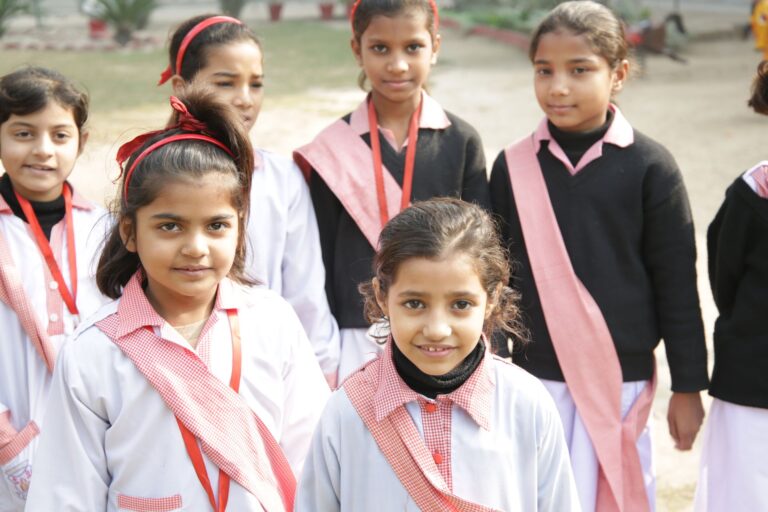
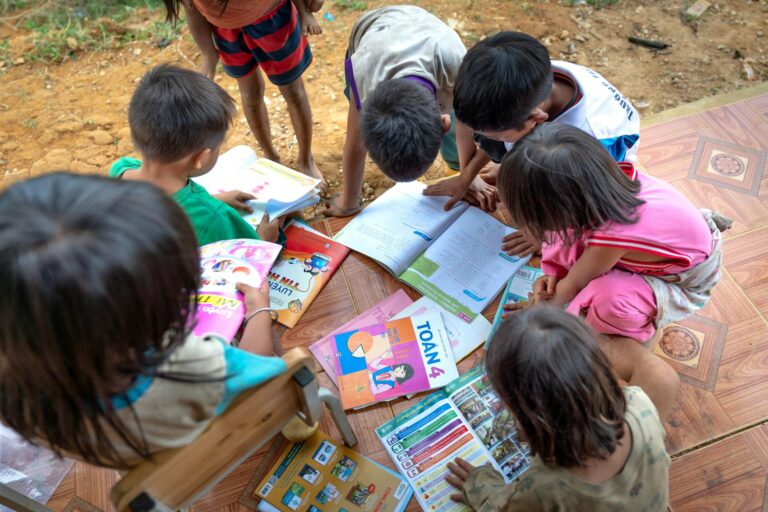

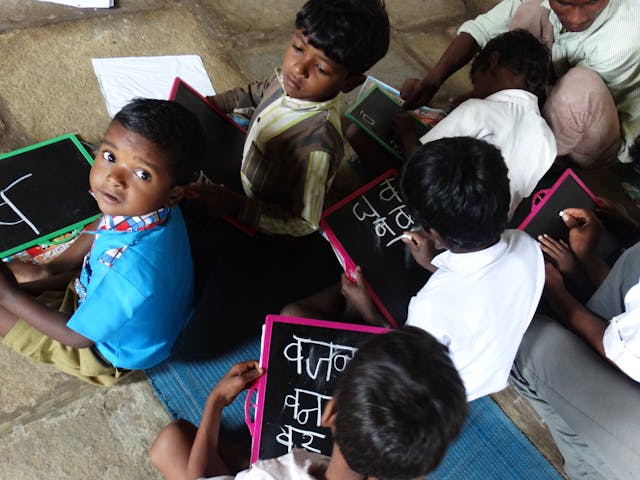


School Screening Programme
In most government and underserved schools, no one is looking for the signs. A child who can’t focus is called naughty. A child who can’t read is called slow. UMF’s school screening programme places trained team members directly inside these schools to observe, identify, and refer.
An important clarification: Our screenings are not diagnoses. They are structured observations designed to identify children who would benefit from a professional evaluation. Diagnosis can only be made by qualified clinical professionals — and our role is to help families reach them.
Goals
- Identify undiagnosed neurodivergent children in underserved schools
- Provide structured observation that informs next steps
- Connect flagged children to professional evaluation
- Equip schools with awareness of their own students’ needs
Our Activities:
- Partnership — We partner with government and low-income schools
- Consent — All screenings happen with full parental and school consent
- Observation — Trained team members conduct structured observations of learning and behaviour
- Documentation — Findings are documented confidentially and shared with parents and schools
- Referral — Children who show indicators are referred for professional evaluation
- Follow-up — UMF stays involved to help families access the next step
Safeguards: We follow strict child safeguarding protocols, full informed consent procedures, and confidentiality standards. No child is screened without parental permission, and no information is shared outside necessary parties.
Impact So Far
Schools
Engaged
People
Reached
Awareness
Events Held
Testing & Evaluation Support
A screening result is only the beginning. The real challenge — and the real cost — comes next: getting a proper professional evaluation. For most underserved families, this step is simply unaffordable. UMF exists to close that gap.
Goals
- Make professional evaluation accessible to underserved families
- Reduce the cost and logistical barriers between identification and diagnosis
- Build a network of professionals committed to inclusive practice
Our Activities:
- Facilitated Testing — We organise evaluation drives with partnered clinical professionals
- Subsidised Access — For eligible families, we cover or subsidise the cost of a formal evaluation
- Professional Network — We maintain a vetted network of psychologists, paediatricians, and specialists across [cities of operation]
Family Coordination — We help families navigate appointments, paperwork, and follow-ups
Impact So Far
Schools
Engaged
People
Reached
Awareness
Events Held
Therapy & Guidance Support
A diagnosis without support is just a label. Our work doesn’t end at evaluation — we help families take the steps that actually change their child’s life: therapy, school accommodations, parent education, and emotional support.
Goals
- Ensure identified children actually receive intervention
- Empower parents to advocate effectively for their child
- Equip schools to provide appropriate accommodations
- Support the emotional wellbeing of the entire family
Our Activities:
- Therapy Referrals — Connections to speech, occupational, and behavioural therapy providers
- Parent Guidance Sessions — Workshops and one-on-one support to help parents understand their child’s needs
- Educational Support Guidance — Helping schools and families set up classroom accommodations
Intervention Recommendations — Tailored guidance on next steps for each family’s situation
Impact So Far
Schools
Engaged
People
Reached
Awareness
Events Held
Become Part of This Work
These initiatives exist only because people choose to give their time, their skills, or their resources.